How to Choose the Best Rotary Printing Machine for Your Business?
In the ever-evolving world of printing, choosing the right Rotary Printing Machine is crucial for success. According to a report by Smithers Pira, the global printing market is projected to reach $455 billion by 2025. This growth reflects the expanding demand for high-quality, efficient printing solutions. Rotary printing, known for its speed and precision, plays a pivotal role in this landscape.
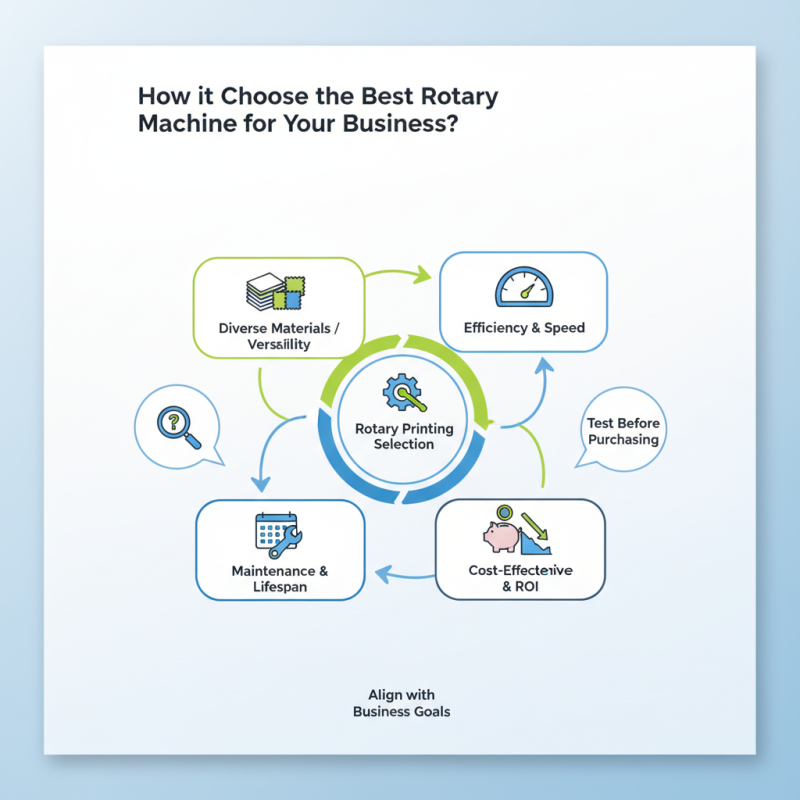
When selecting a Rotary Printing Machine, consider your specific business needs. Efficiency is key; a machine that can handle diverse materials enhances versatility. However, cost-effectiveness is equally important. A more expensive machine may not always deliver a higher return on investment. Industry experts suggest evaluating the machine's lifespan and maintenance requirements. Machines may require more frequent repairs than expected.
Choosing the right model demands careful consideration. The wrong choice can lead to operational challenges and wasted resources. As businesses innovate, aligning the machine's capabilities with your goals is essential. Reflect on what features matter most. Test before purchasing if possible. This approach ensures that your next Rotary Printing Machine is truly aligned with your vision.
Understanding the Basics of Rotary Printing Machines
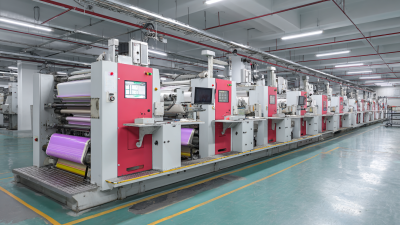
When choosing a rotary printing machine, understanding how they work is crucial. Rotary printing machines use a cylinder to transfer ink onto various substrates. This design allows for high-speed production, making it popular in industries like packaging and textiles. The ink is applied in a continuous manner, which increases efficiency. However, the setup can be complex and requires precision.
The benefits of rotary printing are clear. It offers vibrant colors and detailed imagery. Many businesses rely on these machines for their durability and speed. But, not all machines are created equal. It's essential to assess your specific needs. Consider the type of materials you will print on. Different machines excel with different substrates.
Maintenance is another key factor to consider. Rotary machines need regular upkeep for optimal performance. Neglect can lead to quality issues and increased costs. Understanding these basic principles can guide your decision. Reflecting on these aspects will help you choose wisely. Investing in the right machine can set your business on the path to success.
Evaluating Your Business Needs for a Printing Machine
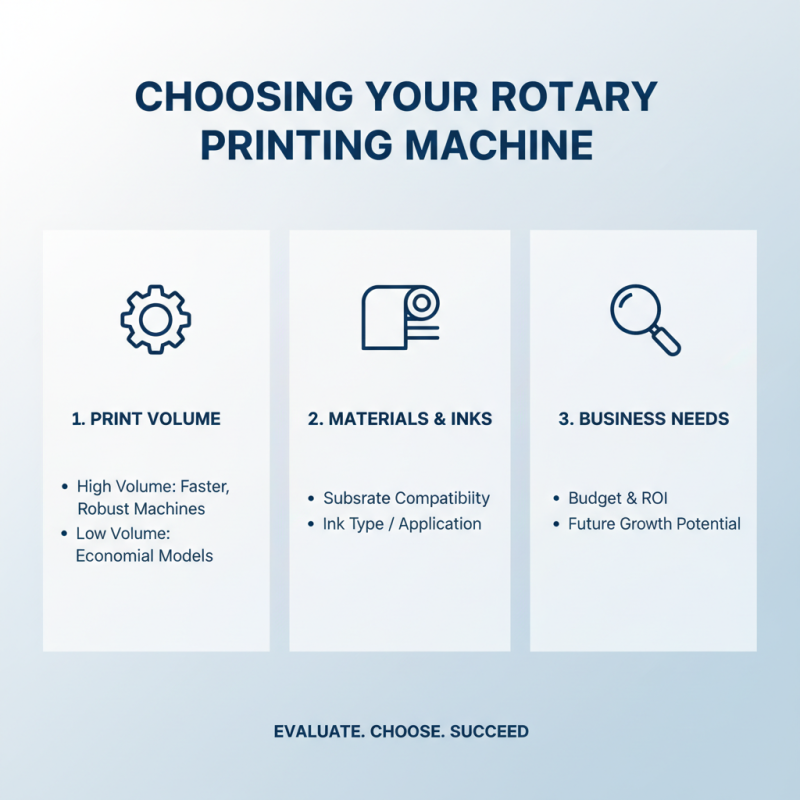
Choosing the right rotary printing machine means evaluating your business needs thoroughly. Consider the volume of printing you expect. A high-volume operation might require a faster, more robust machine. In contrast, smaller businesses may opt for more economical models. Think about the types of materials you need to print on as well. Different machines handle various substrates and inks differently.
Don't overlook the complexity of your printing designs. If your projects are intricate, make sure the machine you select can handle those details. Ask yourself if you need customization options. These choices can affect long-term productivity. However, some features may not be essential. Reflect on which capabilities truly matter to your business.
Additionally, consider the space available in your facility. Some machines can be quite large and require significant setup. You may also have to include maintenance space in your calculations. It’s important to balance performance with practicality. Weigh the pros and cons carefully before making a decision. Take the time to research and reflect on what your specific needs are.
Key Features to Look for in Rotary Printing Machines
When selecting a rotary printing machine, consider several key features.
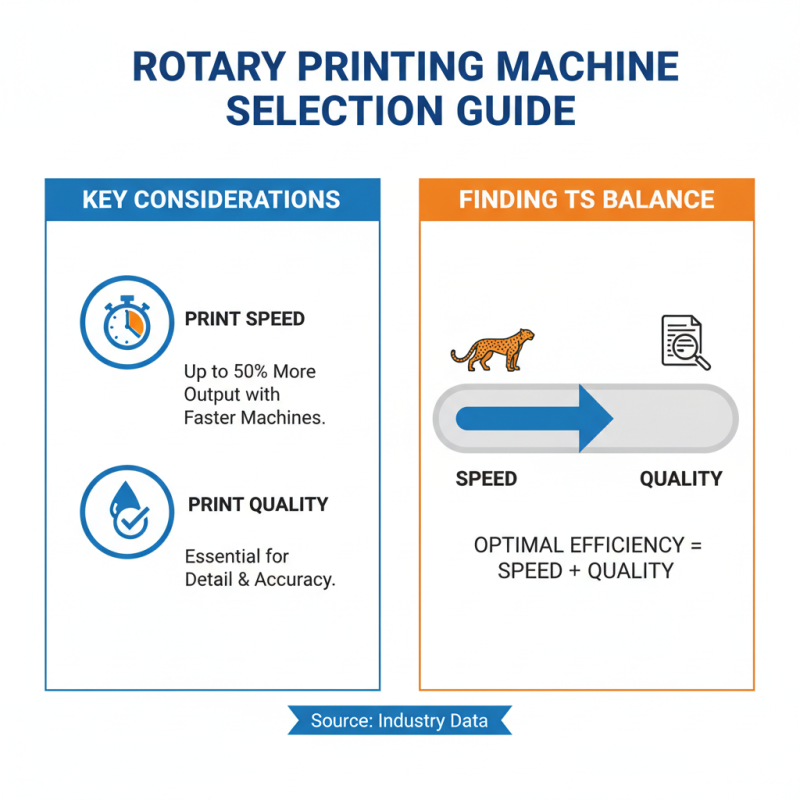
One critical aspect is print speed. A higher speed boosts productivity, but can also affect quality.
Ensure the machine's speed aligns with your business needs.
Next, look for the print resolution. Machines with higher resolution produce sharper images.
This is vital for detailed designs. Assess your typical projects to determine the resolution you need.
Also, the machine's ink type matters. Water-based inks are eco-friendly but may require different handling than solvent inks.
Additionally, consider the machine's ease of use. A complex interface can slow down production.
Training staff on a user-friendly machine can save time and reduce errors.
Lastly, pay attention to after-sales support. A machine without proper support can lead to prolonged downtimes, impacting your business negatively.
Balancing these features will guide you to a suitable rotary printing machine.
Cost Considerations When Choosing a Printing Machine
When considering a rotary printing machine, cost is a crucial factor. Prices vary widely depending on features and capabilities. A basic model may be more affordable but could lack essential functions. Businesses should evaluate their specific needs and future growth. An investment in a quality machine might yield higher returns in the long run.
However, hidden costs often arise. Maintenance expenses can add up quickly. Replacement parts may be costly and time-consuming to procure. Don’t overlook the costs associated with training staff to operate the machine. A seemingly economical choice might lead to unexpected expenses over time. Therefore, a thorough budget analysis is vital.
It’s also wise to consider financing options and potential leasing arrangements. These can alleviate upfront costs but may lead to larger payments later. Visiting trade shows or speaking with industry experts can provide insights into total cost of ownership. Reflection on these aspects is necessary to make a prudent decision. Ultimately, aligning your budget with your business goals can steer you towards the right machine.
How to Choose the Best Rotary Printing Machine for Your Business? - Cost Considerations When Choosing a Printing Machine
| Feature |
Description |
Cost Consideration |
| Printing Speed |
The number of units printed per hour. |
Higher speeds often lead to higher initial costs but can reduce labor costs. |
| Print Quality |
Measures clarity, color accuracy, and finish. |
Higher quality machines may have a higher price tag. |
| Maintenance Costs |
Regular servicing and parts replacement. |
Consider ongoing costs in addition to the purchase price. |
| Initial Cost |
Upfront cost of purchasing the machine. |
Balance between initial investment and long-term savings. |
| Energy Efficiency |
Power consumption during operation. |
Investing in energy-efficient models can save costs over time. |
| Material Compatibility |
Types of materials the machine can print on. |
Limited compatibility may require more equipment investment. |
Comparing Leading Brands and Models in Rotary Printing
When selecting a rotary printing machine, understanding the strengths of different models can make a significant difference. The industry shows that machines with faster print speeds can produce up to 50% more output. This statistic is crucial for businesses aiming to increase efficiency. However, speed shouldn't compromise print quality. A balance between speed and quality is essential.
**Tips:** Focus on the type of materials you wish to print. Some rotary machines excel with flexible materials, while others perform better with rigid substrates. Evaluating the specific requirements of your products can steer your choice.
In addition, consider the ease of maintenance. Models that require complicated setups can disrupt production. According to recent industry reports, up to 30% of downtime is caused by machine failures. Investing in a machine with a solid support system is a wise approach. The cost of repairs can outweigh initial savings on cheaper models.
**Tips:** Research user reviews and testimonials. They provide insights into real-world performance and maintenance experiences. This information can highlight potential issues before investing.