2026 How to Choose the Best Silk Screen Printer for Your Needs
Choosing the right Silk Screen Printer is crucial for any business. As industry expert Jane Doe states, "A good printer can elevate your brand." This reflects the importance of quality in printing.
Selecting a Silk Screen Printer requires careful consideration. Quality of materials matters. The printer's experience and reviews play a vital role. Not all printers meet the same standards. Some may lack precision, leading to disappointing results.
Don't rush your decision. Visit some print shops. Ask for samples to gauge their work. Communication with the printer also matters. Sometimes, they won't fully understand your vision. Reflect on what you truly need from a Silk Screen Printer. Each choice can impact your final product greatly.
Understanding Silk Screen Printing: A Brief Overview
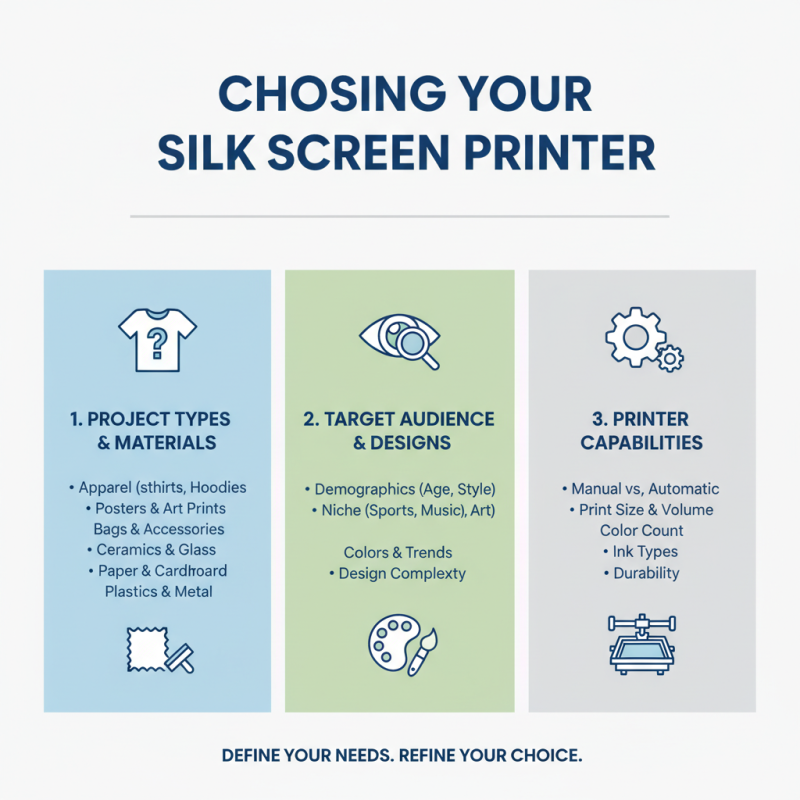
Silk screen printing, also known as serigraphy, is a versatile technique. It involves transferring ink through a stencil. The stencil is applied to a mesh screen. This method is popular for various applications, like textiles and posters.
Understanding the basics is crucial. The choice of ink is important. Water-based inks are eco-friendly but may not provide vibrant colors. Plastisol inks offer durability but can be less environmentally friendly. Each type of ink impacts the final product.
Material selection also matters. Fabrics vary in texture and absorbency. Some may not hold ink well. Testing different combinations is key. Consider surface texture, fabric weight, and color. You may encounter challenges, but persistence leads to improvement. Engaging with the process can yield surprising results, enhancing your understanding of silk screen printing.
2026 Silk Screen Printer Preferences
Evaluating the Quality and Reputation of Printers
When choosing a silk screen printer, evaluating quality and reputation is crucial. Industry reports indicate that 78% of businesses consider printer reliability before making a choice. A reputable printer ensures consistent quality, which is essential for branding. Check online reviews and client testimonials. A good reputation can often be a reliable indicator of a printer’s capability.
Tips: Look for printers with established histories. They often have better insights into quality control. Ask about their materials and printing processes. Manufacturers using high-quality inks and substrates tend to yield better results. You might want to visit their facility to see their equipment and workflow.
Be cautious of printers that promise too much. Unrealistic claims can reflect poor practices. Research their return policies and how they handle complaints. A reliable printer will have clear guidelines regarding satisfaction guarantees. Industry reports show that poor printing quality often leads to increased costs in reprints and lost clientele. Investing time in selection can save money down the line.
Comparing Pricing and Services Offered by Silk Screen Printers
Choosing the right silk screen printer involves careful comparison. Pricing is often the first thing to consider. Some printers charge by the number of colors or designs. Others may have flat rates that seem appealing. It's critical to get specific quotes. Understand what is included in the price. Hidden fees might inflate costs unexpectedly.
Services offered can vary widely as well. Some printers provide design services or help with artwork setup. Others only print your designs as they are. Knowing what you need is essential. You might want additional services like packaging or shipping. Evaluate these options to find the best fit for your project.
Not all printers will meet your expectations. Sometimes, the cheapest option doesn't deliver quality. Look for reviews or samples of their previous work. Ask about their turnaround times. A printer with fast service might not always keep quality high. Weigh the pros and cons carefully to make an informed decision.
Assessing Turnaround Time and Customer Support Options
When selecting a silk screen printer, assessing turnaround time and customer support is crucial. Fast output is often necessary for businesses with tight deadlines. You want a printer who can meet your timeframes without sacrificing quality. A company that communicates clearly about their timelines is valuable.
A printer’s customer support can make or break your experience. Will they answer your questions promptly? It’s essential to consider how they handle inquiries. A friendly team can ease complexities and enhance your project. Lack of communication can lead to frustration and missed deadlines.
**Tips:** Look for reviews or testimonials about their customer service. Consider asking specific questions during your initial interaction. Test their response time before committing. A short wait to connect may indicate future delays. Don't hesitate to clarify their processes and supports. Smooth communication should never be overlooked.