Why Choose a Silk Screen Machine for Your Printing Needs?
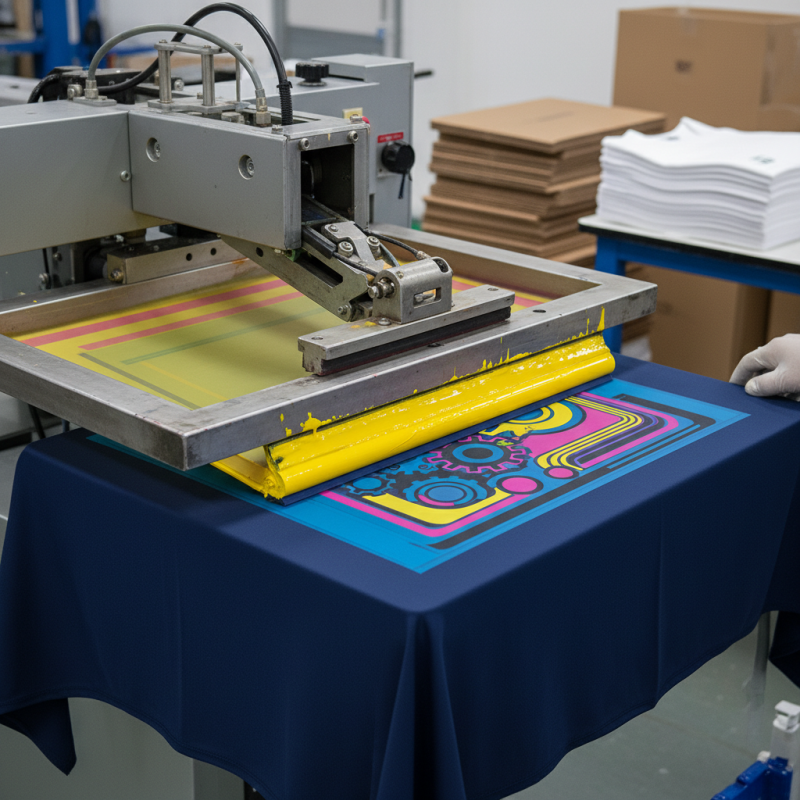
Choosing the right printing method is crucial. Many options exist, but the Silk Screen Machine stands out. This machine offers versatility and quality. It works well on various surfaces, including fabric and plastic.
A Silk Screen Machine produces vibrant colors and sharp images. It can handle both small and large production runs. However, it requires a learning curve. Mastering the process takes time and patience. Users often face challenges in setup and ink consistency. But the results can be rewarding.
Investing in a Silk Screen Machine can elevate your printing projects. Consider the details of your specific needs. Reflect on your goals for quality and efficiency. Embrace the potential it brings, while being aware of the challenges.
Advantages of Using a Silk Screen Machine in Printing
Silk screen printing, or screen printing, has gained popularity due to its effectiveness. This method allows for vibrant colors and detailed designs. According to a recent industry report, the global screen printing market was valued at $4.6 billion in 2021 and is projected to grow at a CAGR of 3.6% through 2028. This reflects an increasing demand for versatile printing methods that can cater to various materials and surfaces.
One significant advantage of silk screen machines is their ability to print on a wide range of substrates. From textiles to plastics, the flexibility is unparalleled. Additionally, silk screen printing offers durability. Prints are resistant to fading and wear, making them ideal for products like promotional items and apparel. However, there are some drawbacks. Setup can be time-consuming for intricate designs. Adjustments may be necessary for different materials.
The cost-effectiveness of producing high volumes should not be overlooked. While initial setup costs are higher, the per-unit cost decreases with larger production runs. A report indicated that companies can save up to 40% on printing costs with bulk orders. However, this approach might not suit businesses with lower demand. Ultimately, the choice to use a silk screen machine hinges on evaluating workload and specific printing requirements.
Why Choose a Silk Screen Machine for Your Printing Needs? - Advantages of Using a Silk Screen Machine in Printing
| Advantages |
Description |
Ideal for |
| Versatility |
Can print on various materials, including cloth, glass, plastic, and metal. |
Textile, promotional products, industrial applications. |
| Durability |
Produces long-lasting prints that are resistant to fading and wear. |
Situations requiring weather-resistant or high-wear prints. |
| Cost-Effectiveness |
Economical for bulk printing, reducing costs per unit. |
Large production runs. |
| Color Vibrancy |
Utilizes thick inks that provide bright, bold colors. |
Marketing materials and high-visibility items. |
| Ease of Setup |
Setup is quick and straightforward, allowing for efficient workflow. |
Small to medium business operations. |
Comparison of Silk Screen Printing with Other Methods
Silk screen printing stands out when compared to other methods. It offers unique benefits for various printing needs. For instance, it delivers vibrant colors and intricate details, making it ideal for complex designs. Unlike digital printing, which sometimes struggles with fabric textures, silk screen printing adheres well to different surfaces. This technique allows for bold and saturated prints that can withstand time.
However, not everything is perfect with silk screen printing. The setup can be time-consuming, requiring careful preparation of screens. Each color demands its own screen, which may limit efficiency for smaller runs. While it's suitable for larger quantities, you might find it less cost-effective for small orders. Besides, cleanup can be labor-intensive, as ink can easily smear if not handled properly.
In contrast, methods like heat transfer printing offer easier setups. Yet, they may not match the durability of silk screen prints. They also often lack the same depth of color. Choosing between these methods involves weighing your specific needs against their respective advantages and challenges. Focus on what you value most in the final product.
Comparison of Printing Methods: Silk Screen vs. Others
Key Features to Look for in a Silk Screen Machine
When considering a silk screen machine, it’s vital to identify key features that enhance your printing projects. Look for a machine with adjustable settings. This flexibility allows you to experiment with different inks and materials. A sturdy frame is essential, as it ensures stability during printing. Without stability, your prints may suffer in quality.
Tips: Always check the mesh count compatibility. A higher mesh count can yield finer details, while a lower one is better for heavy inks. Experimenting with mesh types can help you refine your printing technique.
Another aspect to consider is the design of the machine. A user-friendly layout can save time and reduce frustration. If the controls are complex, it might take longer to finish projects. Additionally, ease of cleaning is crucial. Ink residue can build up and affect performance.
Tips: Regular maintenance is key. Clean your screens and squeegees after each use. It helps maintain print quality and prolongs the life of your equipment. Always be ready to reassess your techniques and equipment choice. Adaptation is a part of the learning process.
Popular Applications of Silk Screen Printing in Various Industries
Silk screen printing plays a vital role across multiple industries. It's widely used in textile printing for clothing and accessories. The vibrant colors and intricate designs can elevate fashion pieces remarkably. Many choose silk screen techniques for its ability to handle large volumes efficiently. However, achieving consistent quality can be a challenge. Sometimes, the ink does not adhere perfectly, leading to imperfections.
In the advertising sector, businesses frequently opt for silk screen printing for banners and promotional materials. The durability of the prints is a significant advantage. These prints withstand harsh weather conditions well. Yet, it requires careful planning to ensure the designs translate effectively. Variations in fabric or surface texture can yield unexpected results.
Another area benefiting from silk screen printing is electronics. Circuit boards and components often utilize this method for precision. The application of conductive inks allows for intricate designs necessary in modern technology. However, precision is critical; a single misalignment can lead to failures. Many find themselves revisiting their designs to achieve ideal results.
Tips for Setting Up and Maintaining Your Silk Screen Machine
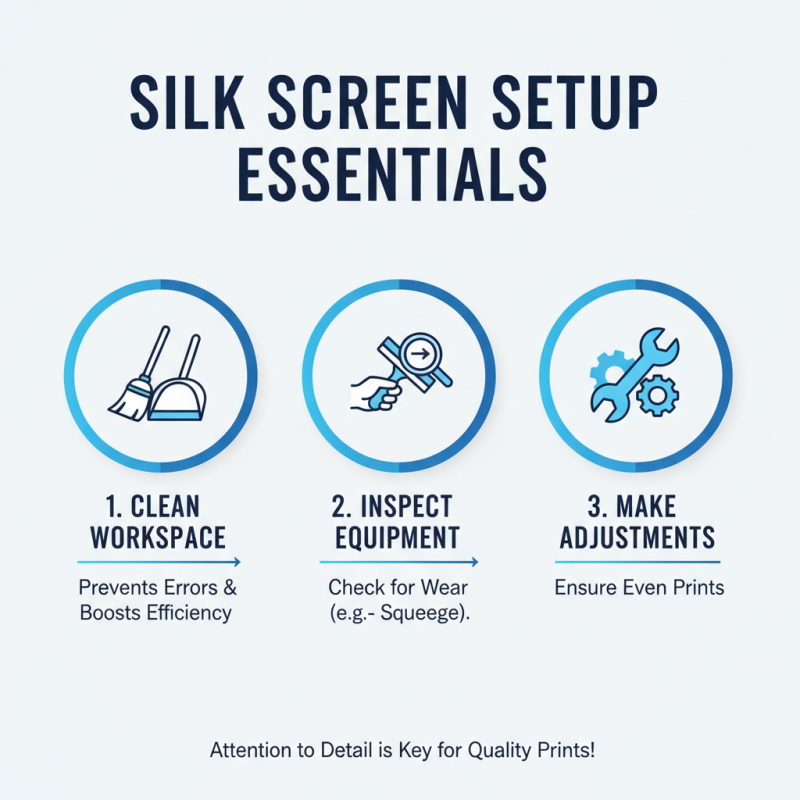
When setting up a silk screen machine, attention to detail is essential. First, ensure your workspace is clean and well-organized. This aids efficiency and prevents errors during the printing process. Check the equipment for any signs of wear. A worn squeegee can lead to uneven prints. Make adjustments if necessary.
Proper maintenance is vital for longevity. Regularly clean your screen after each use. Ink residues can build up and affect quality. Use a specialized cleaner to avoid damage. Make it a routine to inspect the tension of the screen. Loose screens can cause blurring in prints, which is frustrating.
Don’t overlook the ink. Each type has its own characteristics. Experiment with viscosity and drying times. Sometimes, the ink isn’t right, and you may need to adjust your formula. Keep a log of successful setups and mistakes. Learning from each session will enhance your skills and lead to better results.