Best Clothing Printing Machines for Efficient Production?
The clothing printing industry is rapidly evolving, driven by advancements in technology and growing consumer demand. In 2022, the global market for clothing printing machines reached approximately $5 billion and is projected to grow significantly in the coming years. This rise underscores the importance of selecting the right Clothing Printing Machine to optimize production efficiency.
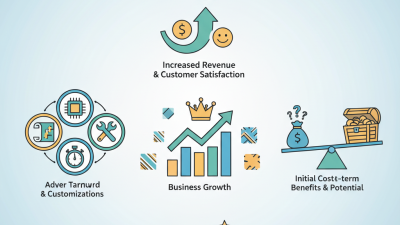
Modern clothing printing machines offer various features, such as high-speed printing and environmentally friendly inks. However, not all machines are created equal. Factors like print quality, ease of use, and maintenance requirements must be carefully considered. Data shows that businesses using advanced digital printing technology can increase their output by up to 30%. This is a substantial gain, but companies must also be aware of initial investment costs and long-term operational efficiency.
Investing in a reliable Clothing Printing Machine can be daunting. With so many options available, it is essential to evaluate each machine’s capabilities and potential return on investment. As the market continues to grow, businesses must remain adaptable to changes and challenges within the industry. Balancing innovation with practicality is crucial for thriving in this competitive landscape.
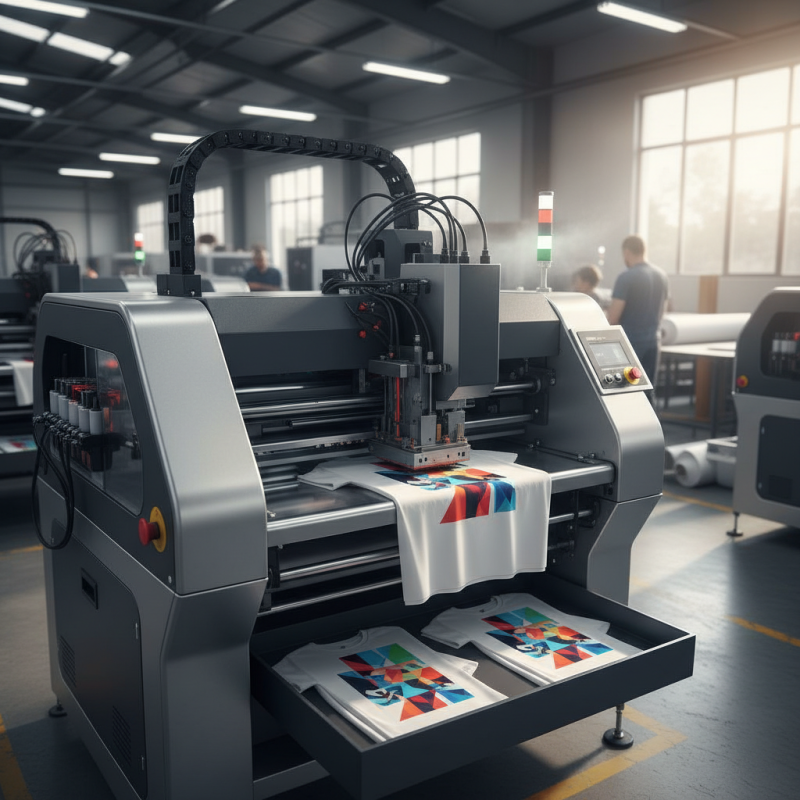
Best Printing Techniques for High-Volume Clothing Production
In the realm of high-volume clothing production, selecting the right printing technique is crucial. Direct-to-Garment (DTG) printing, for example, offers high-resolution images and vibrant colors. According to a report by Smithers Pira, the DTG market is expected to grow by 25% annually through 2025. This highlights its effectiveness and increasing demand for detailed designs.
Sublimation printing stands out for its ability to work with polyester fabrics. This technique enables prints that are long-lasting and resistant to fading. Industry data suggests that sublimation can reduce material waste by up to 25% compared to traditional methods. However, it’s essential to ensure proper material compatibility. Otherwise, the quality of prints can suffer.
Screen printing remains a staple, particularly for bulk orders. Its efficiency in producing large quantities at lower costs is unmatched. The trade-off is the limited color palette and longer setup time. A recent survey noted that nearly 60% of manufacturers struggle with color consistency in screen printing, indicating areas for improvement. Each technique has strengths and weaknesses, making it imperative to evaluate them closely for specific production needs.
Comparison of Direct-to-Garment vs. Screen Printing Efficiency
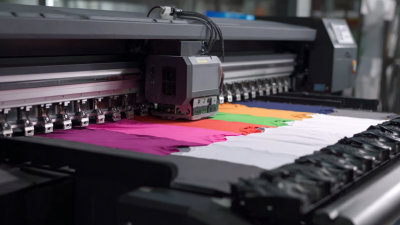
Direct-to-Garment (DTG) printing and screen printing are two popular methods for clothing production. Each has its strengths and weaknesses, making them suitable for different needs. DTG printing excels in detail, reproducing complex designs with precision. It uses inkjet technology, allowing for vibrant colors and intricate patterns. However, it may not be the fastest option for bulk orders.
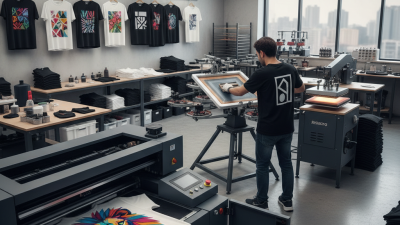
Screen printing, on the other hand, is known for its efficiency in larger quantities. It involves creating stencils to apply ink onto fabric, making it quicker for mass production. The initial setup time can be lengthy, but each additional item is fast to produce. Yet, the limitations appear with design complexity. Colors must be layered through separate screens, adding time for intricate designs.
Overall, while DTG printing thrives in detail-oriented projects, screen printing proves more efficient for bulk orders. Each method has pitfalls, such as slower DTG speeds and screen printing’s design constraints. Understanding these differences assists businesses in making informed decisions based on their specific production needs.
Best Clothing Printing Machines for Efficient Production
| Printing Method |
Setup Time |
Production Speed (Garments/Hour) |
Material Compatibility |
Initial Investment |
Ink Cost per Print |
| Direct-to-Garment (DTG) |
Low (10-30 mins) |
20-100 |
Cotton, blends, synthetics |
$10,000 - $30,000 |
$1 - $2 |
| Screen Printing |
High (1-2 hours) |
100-300 |
Cotton, polyester, specialty |
$5,000 - $20,000 |
$0.20 - $0.50 |
Top Brands in Clothing Printing Machines: Market Share and Performance
The clothing printing industry is rapidly evolving, with several brands dominating the market. Each company brings unique features to their machines. Some focus on speed, while others prioritize print quality. Market share is often influenced by customer support and innovation. Reliable service can enhance user experience, impacting sales positively.
Performance is crucial when selecting a printing machine. Machines that offer flexibility in designs often perform better. Users appreciate models that accommodate various fabric types. However, the initial cost can be intimidating. Businesses must evaluate whether the investment is worth it long-term. Incomplete reviews sometimes lead to hasty purchasing decisions. It's essential to research thoroughly before committing.
Brand reputation plays a significant role in choosing equipment. A well-regarded company might promise durability and efficiency. Yet, not every brand lives up to expectations. Some users report breakdowns sooner than anticipated. Potential buyers should consider both performance and reliability. Exploring user feedback can provide deeper insights into each brand's strengths and weaknesses.
Best Clothing Printing Machines for Efficient Production
Key Features of High-Efficiency Clothing Printers for Businesses
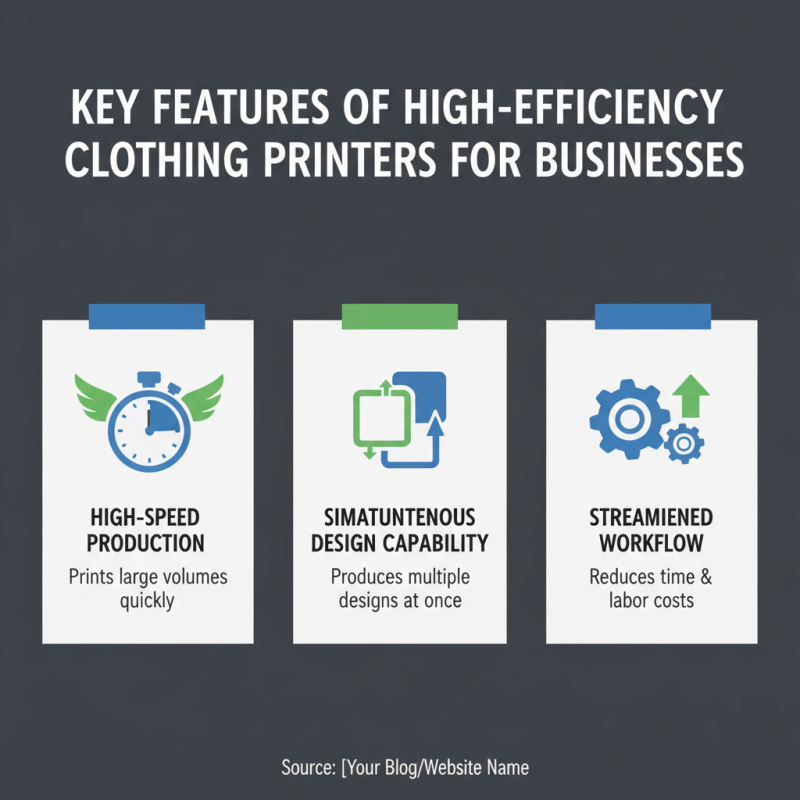
When choosing a clothing printing machine, efficiency is crucial for any business. High-efficiency printers often incorporate advanced features that streamline production. One important aspect is their speed—machines that print large volumes in a short time can significantly enhance workflow. A printer capable of producing multiple designs simultaneously saves time and labor costs.
Another key feature is precision. High-quality printers ensure that colors remain vibrant and designs are crisp. They often include technology that minimizes errors. This leads to fewer reprints, reducing material waste. Some printers have user-friendly interfaces, making it easier for operators to adjust settings on the fly. However, complexities in setup or maintenance can pose challenges.
It’s essential to consider the versatility of the printer. Ideally, it should handle various fabrics and printing techniques. Machines that can adapt to different materials maximize their utility. However, not every model excels at this. Understanding the limitations of each printer is vital for informed decision-making.
Industry Trends: Automation in Clothing Printing Processes
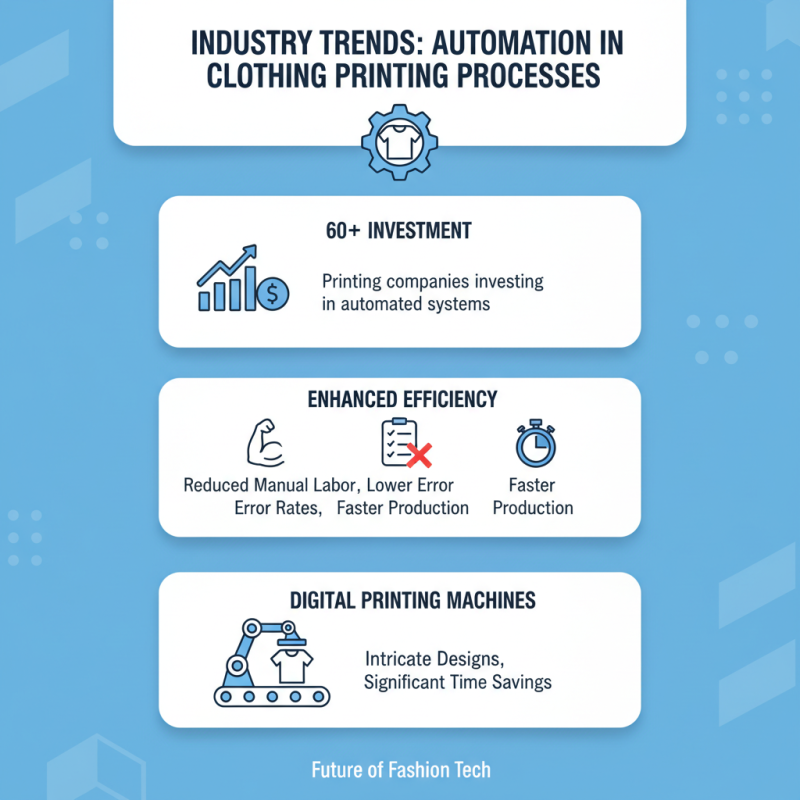
The clothing printing industry is rapidly evolving, particularly with automation as a key focus. Reports indicate that over 60% of printing companies are investing in automated systems to enhance efficiency. Automated processes reduce manual labor, lower error rates, and speed up production times. For instance, digital printing machines can produce intricate designs in significantly less time compared to traditional methods.
A recent survey found that 75% of manufacturers believe automation can improve their overall output. Speed and consistency are paramount. However, the transition to automated systems is not without challenges. Training staff to operate complex machinery can require substantial investment and time. Furthermore, small businesses may struggle with the high initial costs associated with automation.
As market demands for unique and customized products increase, the need for efficient production becomes undeniable. Industry experts emphasize the need for ongoing education and adaptation to new technologies. They highlight that balancing automation with creativity remains a critical, yet often overlooked, aspect of successful clothing printing. This reflects the reality that while technology advances, human insight and creativity still play vital roles.