Top 10 Automatic Printing Machines to Boost Your Production Efficiency by 30 Percent
In the fast-paced world of manufacturing and printing, companies are continuously seeking methods to enhance productivity while minimizing operational costs. The adoption of advanced technology, particularly Automatic Printing Machines, has proven to be a game-changer in this arena. According to a recent report by Smithers Pira, the global digital print market is expected to grow at a CAGR of 5.5% from 2021 to 2026, signaling a clear shift towards automation and efficiency in printing processes. With this growth comes the necessity for businesses to integrate cutting-edge machinery that not only streamlines production but also ensures high-quality output.
The significance of Automatic Printing Machines in boosting production efficiency cannot be overstated. A study by the Association for Printing Technologies indicates that companies utilizing automated printing solutions have reported a productivity increase of up to 30%. This enhancement is attributed to reduced manual labor, faster turnaround times, and fewer errors in print production. In an industry where every second counts, investing in these machines can lead to a substantial competitive advantage. As we explore the top 10 Automatic Printing Machines available today, we will delve into their features and benefits that can significantly impact your production workflow and overall efficiency.
Transform Your Production Line with These Cutting-Edge Automatic Printing Machines
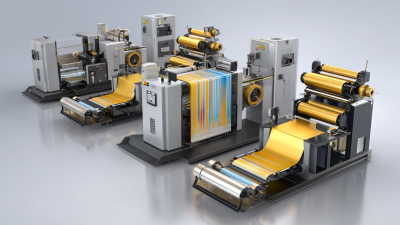
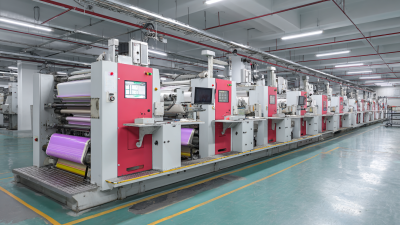
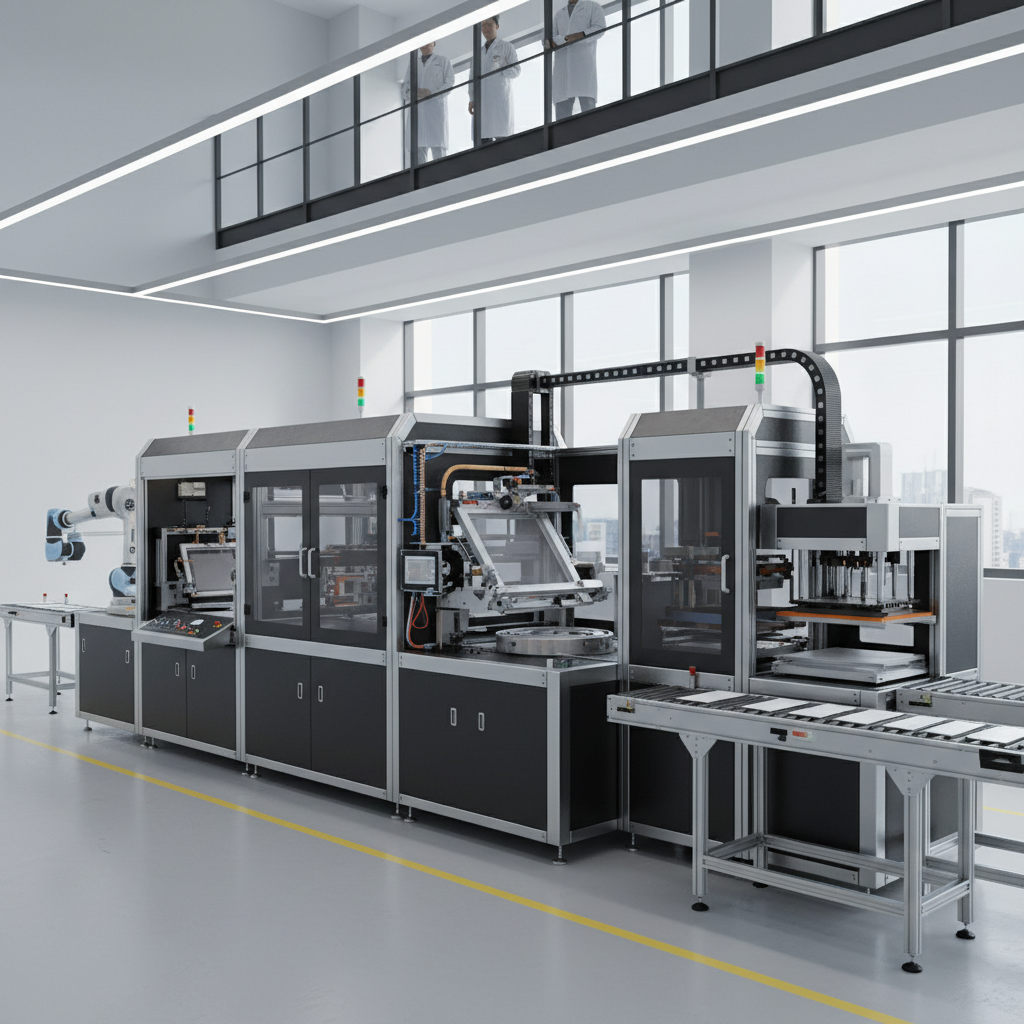
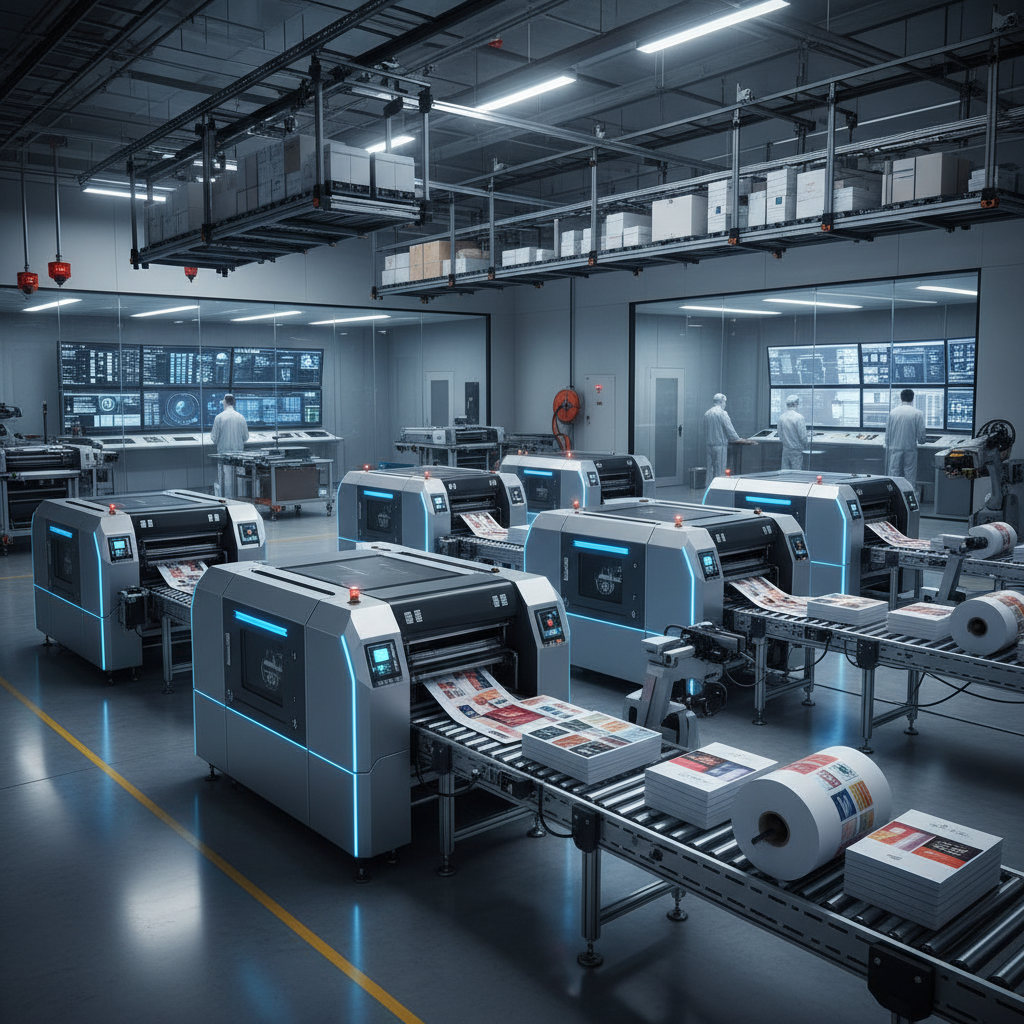
In today's fast-paced manufacturing environment, implementing cutting-edge automatic printing machines can significantly enhance production efficiency. These advanced devices are designed to streamline printing processes, reduce manual labor, and minimize errors, making them indispensable for modern production lines. By integrating state-of-the-art technology such as robotics and high-speed inkjet systems, businesses can achieve remarkable improvements in both speed and accuracy, laying the foundation for a more productive operation.
Moreover, the versatility of today's automatic printing machines allows them to cater to a wide variety of materials and products. From packaging to labeling, these machines can effortlessly adapt to different tasks, ensuring consistency in quality across all outputs. This adaptability not only helps in meeting the diverse requirements of various industries but also contributes to a smoother workflow, ultimately driving higher production rates. By investing in these transformative technologies, manufacturers can expect to boost their output by as much as 30 percent, making a compelling case for the adoption of automatic printing solutions in their production lines.
Top 10 Automatic Printing Machines Production Efficiency Comparison
Maximize Output: Features to Look for in Top Automatic Printing Machines
When considering automatic printing machines to enhance production efficiency, there are several key features to look for that can significantly impact performance. First and foremost, printing speed is crucial; machines that can handle high volume output without sacrificing quality are essential for maximizing productivity. Look for models with advanced technology that can maintain crisp text and vibrant images, ensuring that your prints are not only fast but also visually appealing.
Another critical aspect is the machine's versatility. Choosing an automatic printer that supports multiple functions—such as scanning, copying, and faxing—can streamline your workflow and reduce the need for additional devices. This all-in-one capability can save both space and cost in your operation while allowing for seamless integration into your daily tasks.
**Tips:** When evaluating machines, pay attention to connectivity options; models that support wireless printing can facilitate easier access and collaboration. Additionally, consider a printer's maintenance needs—those with easy-to-replace ink or toner cartridges can help minimize downtime. Lastly, review the warranty and customer support available to ensure that you have assistance when needed, which can further enhance your productivity.
Cost-Effective Solutions: Budget-Friendly Automatic Printers to Consider
When it comes to enhancing production efficiency,
budget-friendly automatic printers
are a game changer. These machines not only streamline the printing process but also significantly reduce labor costs, making them an ideal choice for businesses looking to maximize their return on investment. With a variety of models available on the market, companies can find automatic printers that fit their budget while still offering reliable performance and innovative features.
Incorporating cost-effective automatic printing solutions can lead to
substantial savings over time. Mid-range models often come equipped with advanced technology, such as high-speed printing capabilities and user-friendly interfaces, without breaking the bank.
Additionally, many of these printers are designed with energy efficiency in mind, further lowering operational costs. Investing in such equipment not only boosts productivity by
up to 30 percent
but also ensures that businesses remain competitive in a fast-paced industry.
Enhancing Versatility: All-in-One Automatic Printing Machines for Various Applications
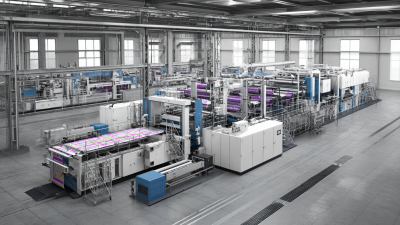
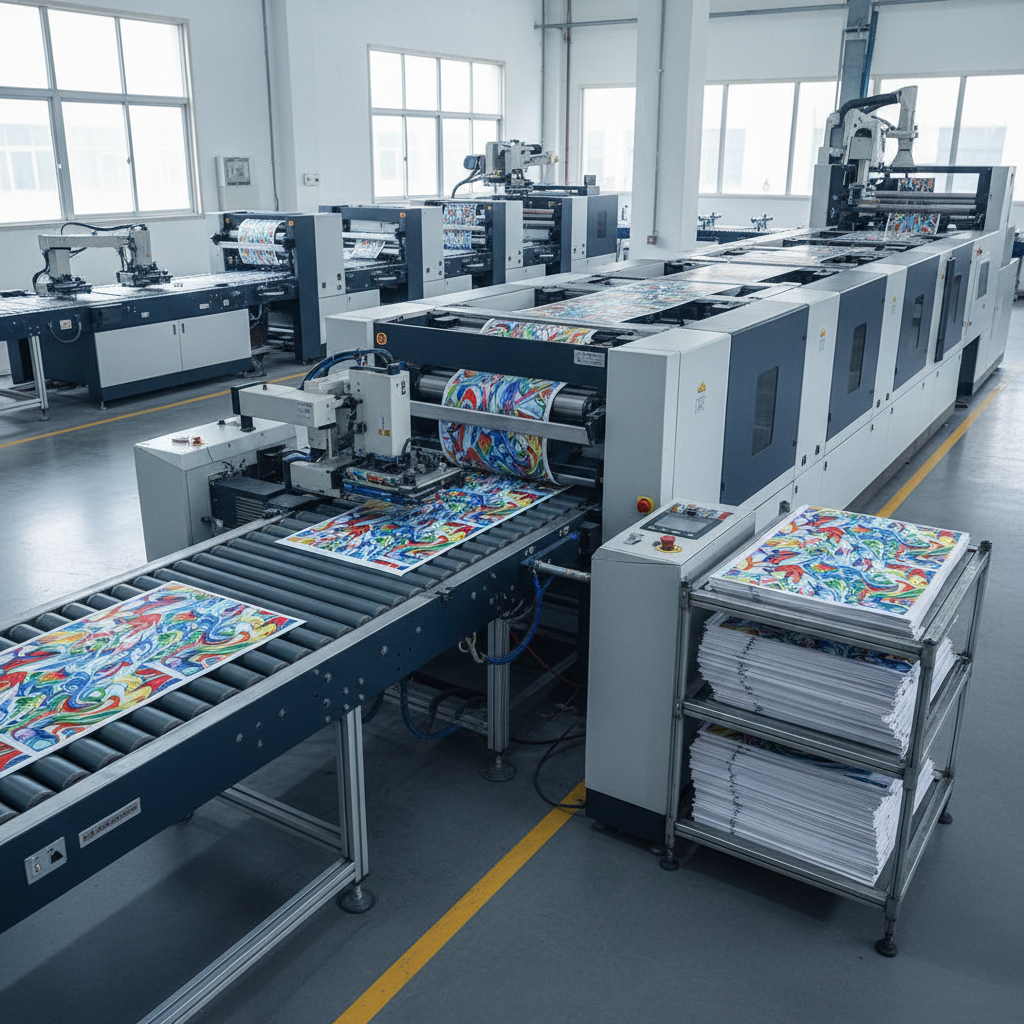
In today’s fast-paced manufacturing landscape, the demand for versatility in printing technology has never been greater. All-in-one automatic printing machines are revolutionizing how businesses approach production by offering a range of functionalities that can adapt to various applications. These machines are designed to handle multiple printing methods—from digital to screen printing—allowing manufacturers to streamline their operations without the need for multiple devices. This flexibility not only saves space but also minimizes downtime, ensuring that production runs smoothly and efficiently.
Moreover, modern automatic printing machines are equipped with advanced features such as quick changeovers and user-friendly interfaces, which enhance productivity and reduce labor costs. With the capability to switch between different materials and printing formats rapidly, businesses can cater to diverse customer needs and respond swiftly to market trends.
This adaptability not only boosts production efficiency by up to 30 percent but also positions companies to seize new opportunities as they arise, making all-in-one solutions an essential investment for any forward-thinking manufacturer.
Future Trends: Emerging Technologies in Automatic Printing Machines to Watch Out For
The landscape of automatic printing machines is rapidly evolving, driven by emerging technologies that promise to enhance production efficiency. According to a report by Smithers Pira, the global market for digital printing is expected to grow from $25.7 billion in 2021 to $29.2 billion by 2026, marking a significant shift in the industry. Technologies such as inkjet and laser printing are becoming increasingly sophisticated, offering greater speed, improved quality, and reduced waste. These advancements enable businesses to boost their production efficiency by up to 30%, making automatic printing machines an essential tool for companies looking to remain competitive.
Furthermore, automation and smart technologies are set to play a critical role in the future of automatic printing. The integration of IoT (Internet of Things) capabilities allows for real-time monitoring and optimization of printing processes, significantly improving workflow management. A survey by McKinsey & Company indicates that companies that adopt automation technologies can achieve productivity increases of 20% to 30%. As manufacturers begin to embrace artificial intelligence and machine learning within printing operations, the potential for personalized production and efficiency gains will expand, paving the way for the next generation of automatic printing solutions.
Top 10 Automatic Printing Machines to Boost Your Production Efficiency by 30 Percent
| Model |
Speed (pages/min) |
Print Resolution (dpi) |
Connectivity Options |
Expected Efficiency Gain (%) |
| Model A |
75 |
1200 |
USB, Wi-Fi, Ethernet |
32 |
| Model B |
85 |
1600 |
USB, Wi-Fi |
30 |
| Model C |
90 |
1800 |
Ethernet, Cloud |
35 |
| Model D |
70 |
1200 |
USB, Wi-Fi, Bluetooth |
28 |
| Model E |
100 |
2400 |
Wi-Fi, Ethernet, Bluetooth |
40 |
| Model F |
80 |
1500 |
USB, Cloud |
33 |
| Model G |
95 |
3000 |
Ethernet, Wi-Fi |
37 |
| Model H |
80 |
1800 |
USB, Ethernet |
29 |
| Model I |
89 |
2100 |
Wi-Fi, Bluetooth |
36 |
| Model J |
74 |
1250 |
USB, Wi-Fi |
31 |