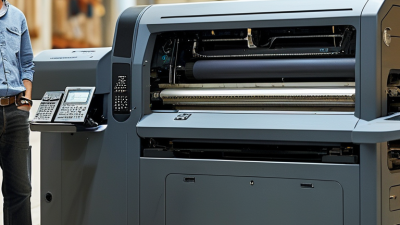
2026 Top Clothing Printing Machine Trends for Global Buyers?
As the demand for personalized and vibrant clothing continues to grow, the importance of advanced Clothing Printing Machines cannot be overlooked. In 2026, the trends surrounding these machines are anticipated to reshape the apparel industry. Companies are seeking innovative ways to stand out in a crowded market. This call for cutting-edge technology emphasizes customization, efficiency, and sustainability in printing.
Numerous manufacturers are adapting to these shifts. They are investing in high-quality inks and environmentally friendly materials. The evolution of digital printing is also notable. It allows for quicker turnarounds and more intricate designs. However, not all machines meet the necessary standards of reliability. Buyers must safeguard against unreliable vendors to ensure quality output.
It's crucial to remain informed about these developments. The landscape of clothing printing is rapidly changing, and staying ahead takes effort. While innovation is exciting, challenges persist in implementation. Hence, understanding these trends and their implications is essential for making informed decisions.
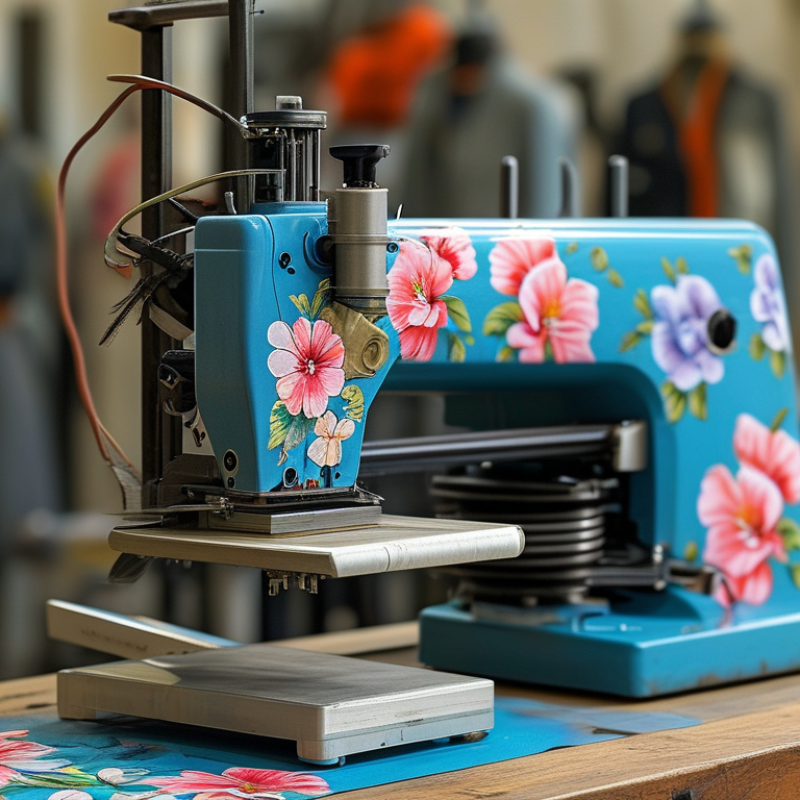
Emerging Technologies in Clothing Printing Machines for 2026
As clothing printing machines evolve, new technologies are reshaping the industry. In 2026, we will likely see significant advancements driven by digital printing and automation. According to a recent report by Smithers Pira, the digital textile printing market is expected to grow at a compound annual growth rate (CAGR) of 11% through 2026. This trend highlights the increasing preference for customization and short-run production.
Emerging technologies are enhancing efficiency in clothing printing. For instance, advancements in ink formulations are improving color vibrancy and durability, which are crucial for consumer satisfaction. The introduction of eco-friendly inks is also on the rise, addressing sustainability concerns in the industry. Despite these innovations, challenges remain, such as managing waste and energy consumption during the printing process. Companies must balance profitability with environmental considerations, a task that requires ongoing reflection and adaptation.
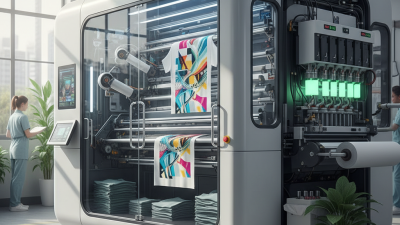
Moreover, integrating Artificial Intelligence (AI) in printing workflows is gaining traction. AI can optimize production schedules and reduce downtime, which is essential for meeting fast fashion demands. Reports indicate that companies adopting AI could see a decrease in production costs by up to 20%. Yet, the transition to these technologies is not without its hurdles, particularly for smaller enterprises struggling to afford such investments. The path forward will require strategic planning and a willingness to embrace change.
Sustainability Initiatives in Textile Printing Machinery Trends
Sustainability is reshaping the textile printing machinery industry. According to the Global Sustainability Report, over 70% of consumers prefer brands embracing eco-friendly practices. This shift drives manufacturers to innovate. The demand for sustainable materials and processes is undeniable.
Recent findings indicate that waterless printing technologies can reduce water usage by up to 90%. This statistic stands out, especially with global water scarcity issues. However, transitioning to these technologies poses challenges. Many companies are grappling with high initial costs and the need for skill development in sustainable methods.
Recycling and upcycling wasted materials are gaining traction. Studies show that nearly 45% of printed fabrics waste materials during production. Addressing this issue promotes a more circular economy. Yet, implementing such measures requires commitment and investment. Companies often struggle to balance costs and sustainable initiatives. This tension highlights the complexity of truly achieving sustainability in textile printing.
Automation and AI Integration in Printing Processes for 2026
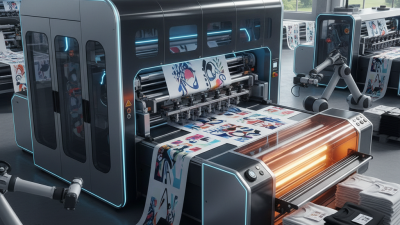
The integration of automation and AI in printing processes is transforming the clothing printing industry. According to a recent report by Smithers Pira, the market for digital textile printing is expected to reach $4 billion by 2026. This growth is largely driven by advancements in technology, specifically in automation and artificial intelligence. These technologies significantly enhance efficiency and quality.
Many manufacturers are adopting AI algorithms that analyze data in real time. This helps optimize print settings, greatly reducing waste and production costs. For instance, studies show that AI can improve ink usage by up to 30%. Automation also streamlines workflows, allowing for faster turnarounds. However, implementing such technologies is not without challenges. Companies need to invest in training for their staff and ensure that their existing systems can support new technologies.
In this evolving landscape, companies may encounter barriers in integrating AI. Limited knowledge of the technology can hinder progress. Additionally, there is the potential for over-reliance on automation, which might compromise creativity and craftsmanship. As buyers navigate these trends, a balanced approach is essential. They need to harness the benefits while being mindful of maintaining quality and human oversight in the printing process.
2026 Top Clothing Printing Machine Trends for Global Buyers
| Trend |
Description |
Expected Impact |
Integration Level |
| Automation in Printing |
Increased use of robotic systems for efficient production. |
Higher output rate and reduced labor costs. |
High |
| AI-Driven Design Customization |
Use of AI to create personalized clothing designs automatically. |
Enhanced customer experience and engagement. |
Moderate |
| Sustainability in Materials |
Adoption of eco-friendly and sustainable printing materials. |
Improved brand image and compliance with environmental regulations. |
High |
| Digital Printing Solutions |
Growth in digital printing due to its flexibility and speed. |
Reduced time-to-market and lower inventory costs. |
High |
| Hybrid Printing Technologies |
Combining digital and traditional printing methods. |
Greater versatility in print outputs. |
Moderate |
Market Demand Shifts: Customization and Personalization in Clothing Prints
As the clothing industry evolves, customization and personalization are becoming essential trends in clothing prints. A recent report indicates that 62% of consumers prefer brands offering personalized products. This shift highlights the growing demand for unique designs that reflect individual style. To meet these needs, clothing printing machines must advance. New technologies are enabling faster and more precise printing, accommodating custom orders efficiently.
The desire for personalized clothing stems from consumers wanting to express their identities. According to research, 48% of consumers are willing to pay more for customized items. This indicates a shift in how clothing is perceived, moving from generic mass-produced items to unique pieces. Yet, this growing demand presents challenges for manufacturers, particularly in production speed and technology adaptation. Companies must balance the desire for customization with operational efficiency.
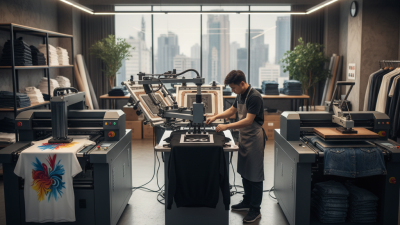
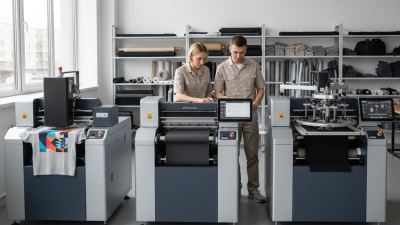
Investing in advanced printing technologies is crucial. Innovations such as digital printing and 3D printing allow for quick customization. However, a gap remains in training workers on these new systems. Without skilled technicians, companies may struggle to meet the rising demand. The industry must reflect on these challenges as it navigates the future of clothing printing.
Global Supply Chain Influences on Printing Machine Innovations
The global supply chain profoundly impacts printing machine innovations. As demand for customized clothing rises, manufacturers strive to keep pace. Challenges such as shipping delays and material shortages often hinder production. This environment pushes companies to innovate rapidly and adapt their processes.
Tips: Consider sourcing materials locally to mitigate delays. Explore partnerships that can enhance your supply chain resilience.
Automation and eco-friendly technologies are common trends. Many businesses are investing in machines that reduce waste and energy consumption. This shift aligns with growing consumer awareness about sustainability. However, transitioning to these technologies can be costly and complex. Companies may struggle to find skilled personnel to operate advanced equipment.
Tips: Training staff on new technologies can alleviate some challenges. Regular workshops can enhance skills and productivity.
The printing industry faces constant pressure to adapt. While innovations become essential, they can also lead to challenges. As global dynamics shift, companies must remain flexible. Embracing change while addressing operational hurdles is vital for sustained growth.