2026 Top Clothing Printing Machine Trends and Innovations?
In the rapidly evolving world of fashion, the importance of the Clothing Printing Machine cannot be overstated. Experts predict that 2026 will see groundbreaking trends and innovations in this industry. According to Melissa Chen, a leading figure in textile technology, "The future of clothing printing lies in adaptability and sustainability." Her insights highlight the growing demand for versatile printing machines that cater to diverse designs and eco-friendly practices.
As brands strive for uniqueness, the Clothing Printing Machine is set to play a vital role. Innovations in speed, efficiency, and material usage are reshaping how companies approach fabric decoration. However, challenges remain. Not all machines meet the high standards expected by consumers. The industry is experiencing growing pains, as technological advancements sometimes outpace market needs.
With a focus on innovation, the potential for creativity is vast. The trend towards customization is undeniable, yet it raises questions about scalability and quality control. As we look toward 2026, the Clothing Printing Machine will undoubtedly be at the forefront of change, marked by both remarkable achievements and areas needing improvement.
Emerging Technologies in Clothing Printing Machines for 2026
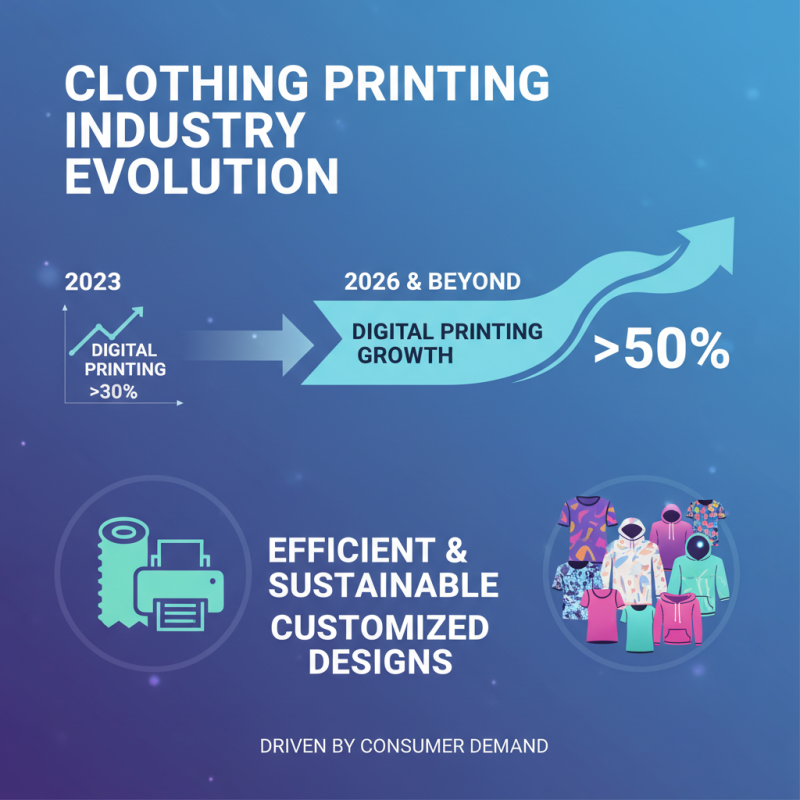
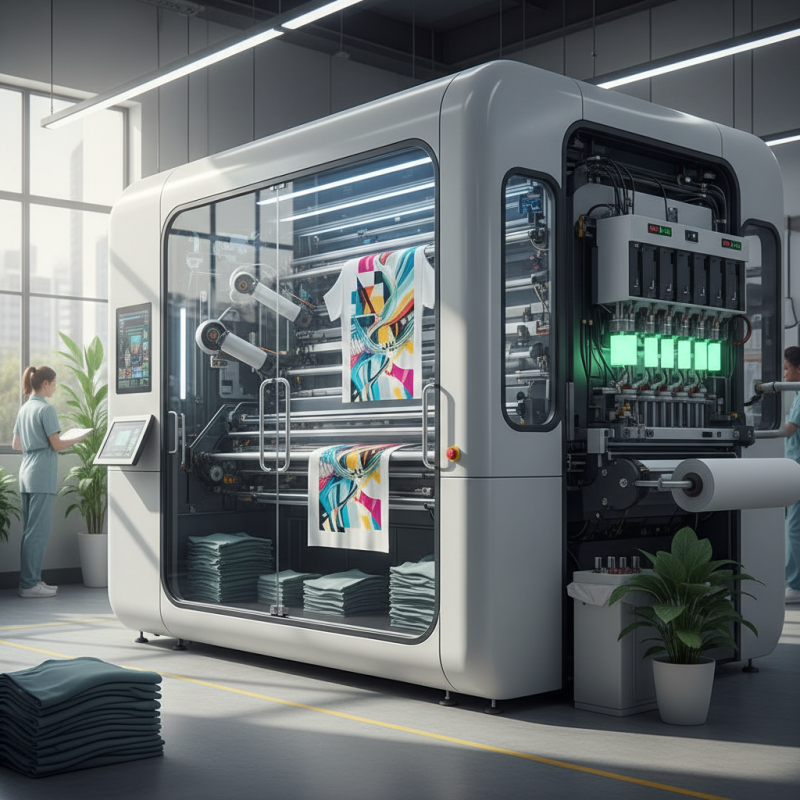
The clothing printing industry is evolving rapidly. Emerging technologies are set to reshape this landscape by 2026. Key trends suggest a shift towards digital printing, which accounted for nearly 30% of the market in 2023. This number is projected to grow as companies adopt more efficient and sustainable practices. The demand for customized designs is driving this shift, with consumers increasingly favoring unique pieces.
Sustainability is a critical focus area. Recent reports indicate that brands are investing in eco-friendly inks and materials. Studies show that up to 40% of printing waste can be eliminated with new innovations. Automated systems are gaining traction, promising higher precision and speed in production. These machines can reduce manufacturing costs while maintaining quality. However, challenges remain. Not all companies can afford these advanced technologies. Smaller businesses may struggle to keep up with larger competitors.
In 2026, we might see an industry split. Established brands may dominate high-tech solutions. At the same time, smaller firms might leverage simpler, low-cost options. This division could impact market dynamics significantly. The path forward demands careful consideration of both innovation and accessibility.
Sustainable Printing Solutions: Eco-Friendly Innovations in 2026
In 2026, the clothing printing industry embraces eco-friendly innovations. Sustainable printing solutions are crucial for addressing environmental concerns. According to a recent industry report, 70% of companies plan to adopt sustainable practices by 2025. This shift highlights a growing commitment to reduce waste and energy consumption.
Water-based inks are gaining popularity in garment printing. These inks contain fewer harmful chemicals compared to traditional solvents. They produce less waste during production. However, the transition to water-based inks has challenges. Many manufacturers struggle with the consistency and quality of prints. Finding reliable suppliers remains a concern.
Additionally, biodegradable materials for printing are emerging. Fabrics made from organic cotton or recycled plastics are becoming common. Despite this progress, the price points can be a barrier for some businesses. A report indicated that 56% of companies worry about the cost of sustainable materials. Balancing eco-friendliness with cost-effectiveness is a persistent hurdle. The journey to an entirely sustainable printing process is complex but necessary.
Automation and AI Integration in Clothing Printing Processes
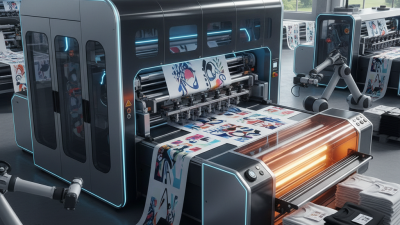
The integration of automation and AI in clothing printing processes is transforming the industry. Machines now operate with minimal human intervention. This shift saves time and reduces errors. Designers can focus more on creativity rather than mundane tasks. Additionally, AI algorithms can analyze market trends and predict which designs will succeed.
However, reliance on technology isn't without challenges. While automation increases efficiency, it can also lead to job losses. The industry must find a balance between innovation and employment. Moreover, AI's decisions aren't always perfect. Sometimes, the outcomes don’t resonate with consumers as expected. Therefore, continuous feedback and adjustments are essential.
Moreover, the environmental impact must be considered. Automation may lead to faster production, but it can also increase waste. Sustainable practices should still be a priority. Companies need to ensure that advancements do not come at the expense of the planet. Striking this balance will be key in shaping the future of clothing printing.
New Ink Formulations and Their Impact on Clothing Printing Quality
The world of clothing printing is evolving rapidly, driven by innovative ink formulations. These new inks are designed to enhance quality and durability. For instance, water-based inks are gaining popularity. They provide vibrant colors and a softer feel. However, they often face challenges with adhesion and longevity. Artists must experiment to achieve the desired results.
Another trend is the rise of eco-friendly inks. These formulations minimize environmental impact. Yet, they can sometimes fall short in opacity and vibrancy compared to traditional inks. Manufacturers are working hard to balance sustainability and print quality. The transition requires patience and ongoing testing. Adjustments may be necessary to meet customer expectations.
Moreover, the printing techniques themselves are evolving alongside the inks. Digital printing methods enhance precision and efficiency. However, achieving consistency can be tricky. Factors such as machine settings and material types play a significant role. Continuous learning and improvement are essential in this dynamic field. Innovations are exciting, but they also pose unique challenges.
2026 Top Clothing Printing Machine Trends and Innovations
| Trend |
Description |
Impact on Quality |
Expected Year of Adoption |
| Eco-friendly Inks |
Inks made from natural and biodegradable materials. |
Improved fabric finish and sustainability. |
2026 |
| Advanced Inkjet Technology |
High resolution and speed printing capabilities. |
Enhanced image clarity and reduced production time. |
2025 |
| Digital Textile Printing |
Direct-to-garment printing using digital technology. |
Superior detail and personalization options. |
2026 |
| Water-Based Inks |
Inks that use water as a solvent, reducing harmful emissions. |
Improved safety and environmental impact. |
2025 |
| Innovative Finishing Techniques |
New methods for enhancing texture and feel. |
Increased product appeal and customer satisfaction. |
2026 |
Market Trends: Consumer Preferences Influencing Printing Technologies
As consumer preferences shift, printing technologies evolve. Today's buyers seek personalization and sustainability. They want clothing that reflects their identity and values. This trend pushes manufacturers to adopt innovative printing methods. Eco-friendly inks, for example, are now a priority. Brands can no longer overlook their impact on the environment.
Tips: Consider biodegradable inks. They can attract eco-conscious customers. Additionally, provide customization options. This keeps buyers engaged and loyal.
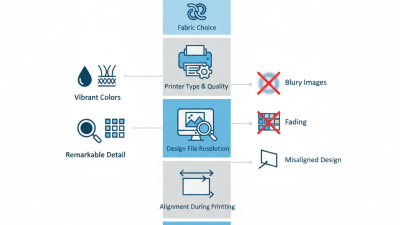
Demand for vibrant colors and intricate designs is also growing. Consumers are drawn to unique patterns. They want their clothing to stand out. However, not all printing technologies can deliver this quality reliably. Some methods may fade over time. Others might not adhere well, leading to customer dissatisfaction. Reflecting on these challenges can drive improvements.
Tips: Regularly test your printing methods. Seek feedback from customers. This will help you understand what works best and what needs refinement.