2025 How to Choose the Best Machine For Shirt Printing for Your Business
In the rapidly evolving world of customized apparel, the choice of the right machine for shirt printing has become a fundamental decision for businesses aiming to thrive in a competitive market. According to a recent report by Grand View Research, the global custom t-shirt printing market was valued at approximately $3.64 billion in 2020 and is projected to expand at a compound annual growth rate (CAGR) of 9.7% from 2021 to 2028. This growth translates to not just increasing demand for quality printed shirts but also highlights the necessity for businesses to invest in efficient and versatile printing machinery.

Selecting the best machine for shirt printing involves understanding various printing methods, from screen printing to direct-to-garment (DTG) and heat transfer techniques. Each method has its own advantages and challenges, influencing production speed, cost efficiency, and print quality. Industry insights indicate that companies leaning towards DTG printing have seen a significant increase in customization options, catering to client demands for unique designs and small batch runs. However, the upfront investment and operational knowledge required to utilize these machines effectively must be carefully evaluated.
As the market continues to grow, businesses must make informed decisions, tailoring their equipment choices to meet specific operational needs and customer expectations. This article explores the top five machines that exemplify quality, reliability, and innovation in shirt printing, providing a comprehensive guide for entrepreneurs looking to elevate their production capabilities.
Advantages of Digital Shirt Printing Machines in 2025 for Business Growth
In 2025, the landscape of shirt printing is evolving, with
digital shirt printing machines taking center stage for businesses aiming to grow.
One of the primary advantages of these machines is their ability to produce high-quality prints
with exceptional color accuracy and detail. According to a report by Smithers Pira, the
demand for digital textile printing is expected to exceed $5 billion
by 2025, highlighting the significant shift businesses are making towards digital solutions.
This transition not only enhances print quality but also allows for quicker turnaround times,
which is essential in meeting customer demands in today's fast-paced market.
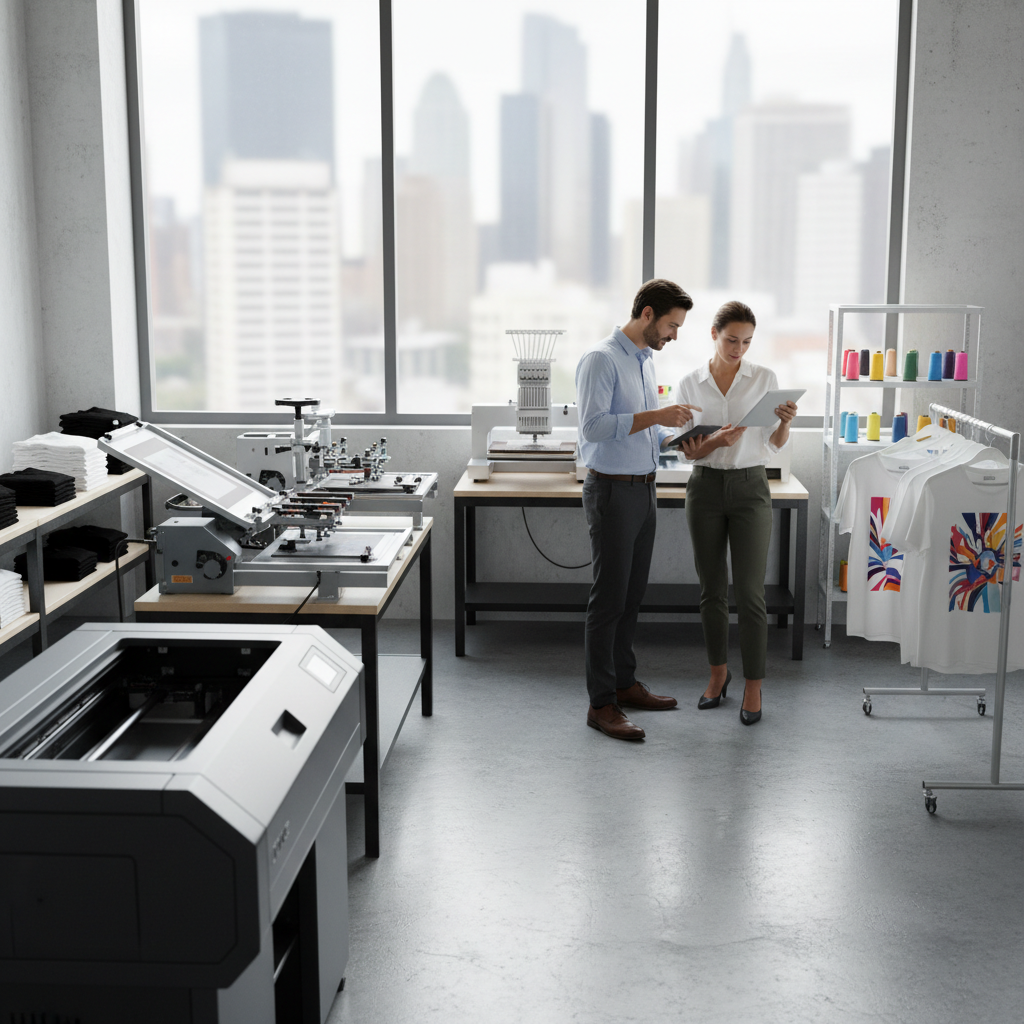
Moreover, digital shirt printing machines offer businesses greater flexibility in design, enabling
them to cater to custom orders and small batch productions
without incurring substantial costs. A study by Technavio reveals that the global
market for on-demand textile printing is projected to grow at a
CAGR of over 7% through 2025. This growth underscores the
importance of integrating digital technology into operations, as it allows businesses to respond
swiftly to trends and consumer preferences. By investing in digital machines, companies can reduce
waste and increase profitability while establishing a competitive edge in the ever-evolving
apparel market.
Key Features to Consider When Selecting Shirt Printing Equipment in 2025
When selecting shirt printing equipment in 2025, it's essential to focus on key features that will enhance your business operations. The type of printing technology is paramount—consider options like Direct to Garment (DTG), screen printing, and heat transfer. Each method offers distinct advantages depending on your production scale and design complexity. For low-volume and highly detailed designs, DTG printers are ideal, while screen printing shines in large batch productions with limited colors.
**Tip:** Evaluate the cost of ink and materials, as ongoing expenses can significantly impact your profit margins. It’s also wise to look for machines that offer versatile media compatibility; the ability to print on various materials expands your product offerings.
Another crucial consideration is the speed and ease of use of the machine. In today’s fast-paced market, efficiency can differentiate your business from competitors. Look for user-friendly interfaces, automatic color registration, and quick setup capabilities to minimize downtime.
**Tip:** Prioritize machines with robust customer support and reliable warranties. Equipment downtime can be costly, so ensure you have access to assistance when you need it. Investing in reliable machinery will not only meet your current demands but also be adaptable to future trends in shirt printing.
2025 How to Choose the Best Machine For Shirt Printing for Your Business - Key Features to Consider When Selecting Shirt Printing Equipment in 2025
| Feature |
Description |
Importance Level (1-5) |
Price Range ($) |
| Print Technology |
Choose between Direct-to-Garment (DTG), screen printing, or heat transfer |
5 |
500 - 5000 |
| Print Speed |
The number of shirts printed per hour |
4 |
1000 - 15000 |
| Color Quality |
Vividness and durability of colors printed |
5 |
400 - 8000 |
| Ease of Use |
User-friendly interface |
4 |
700 - 3000 |
| Maintenance Requirements |
Frequency and cost of upkeep |
3 |
100 - 500 |
| Size Compatibility |
Ability to print on various sizes of shirts |
4 |
200 - 3000 |
| Support and Training |
Customer service and training provided by the manufacturer |
5 |
0 - 2000 |
Market Trends: The Shift Towards Eco-Friendly Shirt Printing Technologies
As the demand for eco-friendly products continues to rise, the shirt printing industry is witnessing a significant shift towards sustainable technologies. Many businesses are now prioritizing environmentally conscious practices, seeking machines that minimize waste and reduce their carbon footprint. This trend not only appeals to eco-aware consumers but also enhances brand image, making sustainability a key factor in choosing the right machine for shirt printing.
When selecting an eco-friendly shirt printing machine, consider these tips: First, look for printers that use water-based inks, which are less harmful to the environment compared to traditional solvent-based inks. Additionally, invest in machines that have energy-efficient features, such as LED curing systems, which require less power and contribute to lower energy consumption. Lastly, explore machines that enable recycling of materials, helping to further reduce waste.
By focusing on sustainable technologies, businesses can adapt to market trends and meet the growing consumer demand for environmentally friendly products. The integration of eco-friendly practices in shirt printing not only helps in preserving the environment but also positions companies as leaders in an increasingly competitive market.
Cost Analysis: Comparing Initial Investment and ROI for Different Printing Machines
When evaluating the initial investment and return on investment (ROI) for various shirt printing machines, businesses must consider several key factors. Recent industry reports indicate that direct-to-garment (DTG) printers, for example, can range from $10,000 to $250,000, depending on the model and features. While the upfront cost of DTG printers may be higher, their efficiency often leads to faster turnaround times and reduced labor costs, ultimately enhancing profitability over time. According to a 2023 report from the Printing Industries of America, companies utilizing DTG printing have reported average ROIs of around 30% within the first year of operations, particularly for businesses focusing on custom and small-batch orders.
In contrast, screen printing machines typically require a lower initial investment, ranging from $5,000 to $15,000 for entry-level equipment. However, the ROI can be influenced by factors such as volume and complexity of designs. A study by Smithers Pira found that businesses engaging in high-volume production with repetitive designs can achieve an ROI of up to 50% over three years, making screen printing a viable option for larger companies. Understanding the cost dynamics and expected return profiles of each printing method is crucial for businesses to make informed decisions tailored to their operational needs and market demands.
Top 5 Brands Dominating the Shirt Printing Machine Industry in 2025
In 2025, the shirt printing machine industry is witnessing remarkable advancements, with several brands leading the market. According to a recent industry report, the global shirt printing machine market is projected to grow at a CAGR of 6.8%, reaching $3.2 billion by 2027. Among the top contenders, brands like Epson, Brother, Roland, and Ricoh are at the forefront, recognized for their innovative technologies and reliability. Each of these brands offers a range of machines tailored for various business needs, from small shops to large-scale manufacturers.
When selecting the best machine for your shirt printing business, consider factors such as print speed, color accuracy, and maintenance requirements. For instance, Epson's SureColor F-Series is noted for its vibrant color output and efficiency, making it a top choice for businesses aiming for high-quality results. Tips: Before committing to a machine, ensure to request demos and evaluate samples to gauge print quality. Additionally, familiarize yourself with the ongoing maintenance and service support provided by the manufacturer, as this can significantly affect your production capacity and profitability.
Emerging technologies such as Direct-to-Garment (DTG) printing and Eco-Solvent printing are also gaining popularity. These methods not only reduce the carbon footprint but also enhance the printing process's flexibility. Tips: Keep an eye on market trends and consumer preferences; aligning your equipment purchases with these trends can maximize your investment's return. Staying updated with industry reports and attending trade shows can also provide valuable insights into which machines will best serve your business's needs in this evolving market.